This year in June, it is Cataract Awareness Month. The goal of this month is to raise awareness of what cataracts are, how it can affect your vision, and how it can be managed.
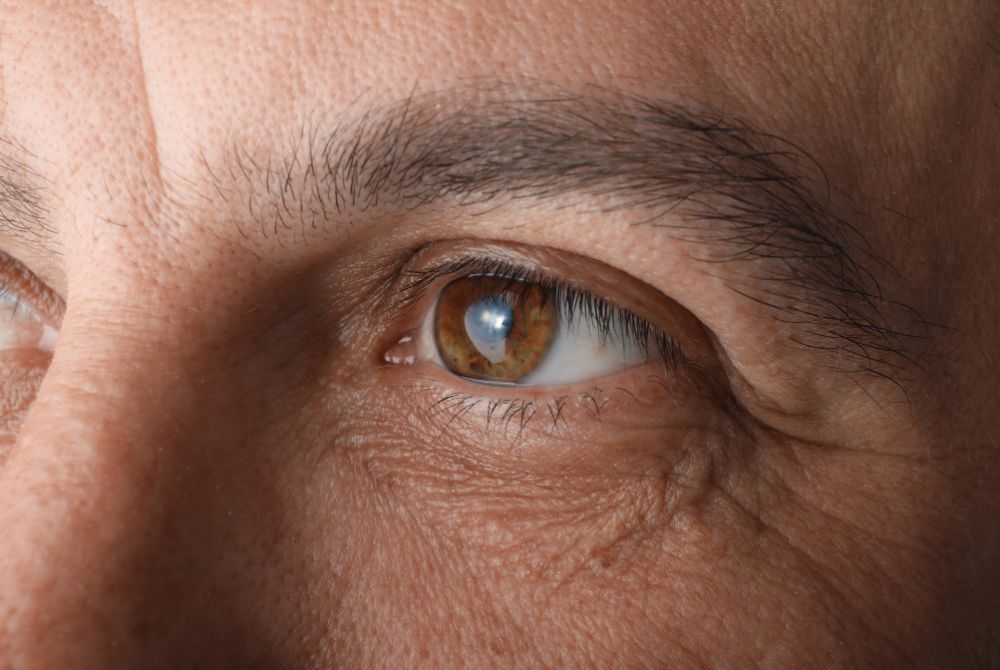
What is a cataract?
Cataract is the name given to the cloudiness or haziness that forms in the natural lens of the eye. This reduces the amount and quality of light entering your eye, and therefore reduces your ability to see.
Other symptoms you may notice if you have cataracts include:
- Increased glare sensitivity
- Seeing halos around lights
- Blurry vision, even with spectacles or contact lenses
- Colours appearing dull
- Double or shadowing vision
- Poor night vision
What causes a cataract?
Most cataracts are a result of the natural ageing process of our body. Unfortunately, as we cannot stop ageing, everyone will eventually develop cataracts as they age. In rarer cases, some people can be born with a cataract in their eye.
Some risk factors for developing cataracts faster than the normal ageing process include:
- Diabetes
- Smoking
- UV exposure
- Injury or trauma to the eye
- Long-term steroid use
- Other eye surgeries
How is a cataract treated?
The only way to remove a cataract is through surgery with an ophthalmologist (eye specialist). Surgery is usually considered when the benefits outweigh the risks associated with surgery. If the cataract is at a stage where it is affecting your quality of life due to reduced vision, or may pose a risk to surrounding eye structures, then surgery may be strongly considered. If the cataract is too dense or advanced, surgery may become more complicated.
Once the cataract is removed, a clear artificial lens is implanted to provide you with clear vision once again. This procedure is performed by an ophthalmologist and is usually safe and a very commonly performed procedure. In some cases, the artificial lens can correct your prescription to reduce your dependence on glasses. However, it is very common to still need a pair of glasses after cataract surgery due to the natural aging related prescription changes. Your doctor or optometrist can organise a referral for you to be seen by the ophthalmologist if necessary.
To try delay the development of your cataract, you can do the following:
- Wear sunglasses (minimise UV exposure)
- Diet or maximise general health (reduce risk of diabetes)
- No smoking
- Wear protective eyewear when required (reduce risk of injury)
Having regular eye checks is important, because the rate at which cataracts develop or progress will vary for each individual. You ideally do not want your cataracts to become too advanced, as surgery may be more complicated as mentioned previously.
If you are concerned that you may have cataracts, or that your cataracts are getting worse, do not hesitate to contact us and we can make our way towards you to assess your eyes!